
VPS vs Reseller Hosting are two different types of web hosting services, each catering to specific needs. Let’s explore the key differences between VPS vs Reseller Hosting.
One needs to take special care of various crucial aspects when it comes to building up a business website and further managing it. While the appearance, design, and accessibility of the website are important, the server for hosting a website is equally essential.
However, most website owners, especially those beginning with their business website, often do not bother much about their choice of web hosting server. And usually, this is where the loophole develops in the growth of a website.
The insights and comparison between VPS vs Reseller Hosting will enable you to make a knowledgeable decision while opting for the web hosting solution for your business website.
Table of Contents
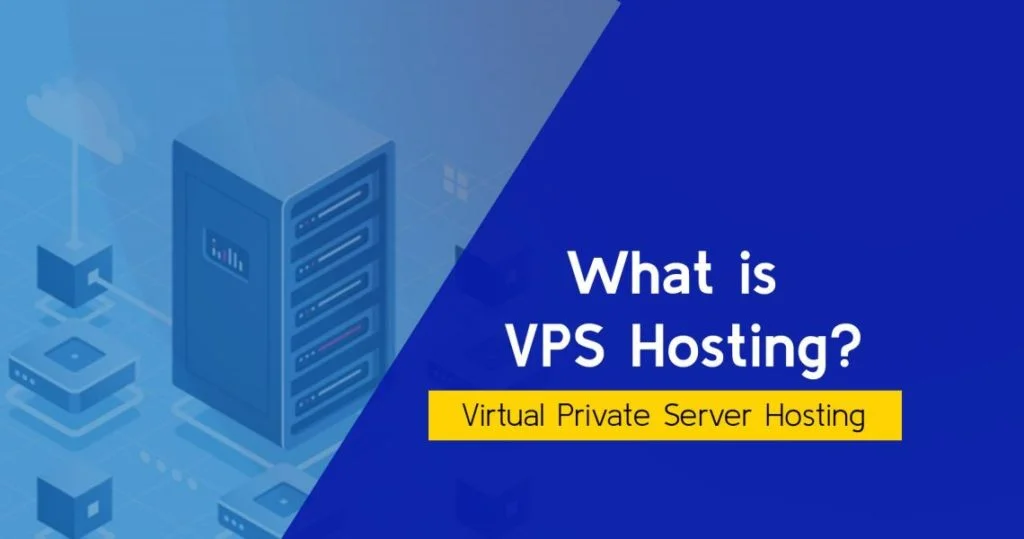
What is VPS Hosting?
VPS, or Virtual Private Server, hosting is a type of web hosting service that combines elements of both shared hosting and dedicated hosting. In a VPS environment, a physical server is divided into multiple virtual servers, each operating independently with its own dedicated resources.
These virtual servers act as isolated instances, providing users with a level of control and customization similar to that of a dedicated server but at a more affordable cost.
VPS hosting is an excellent choice for individuals, businesses, or developers who need more control, flexibility, and dedicated resources than shared hosting can provide, but who may not require the full resources and cost of a dedicated server.
It strikes a balance between cost-effectiveness and performance, making it a popular choice for a wide range of hosting needs.
Pros and Cons of VPS Hosting
VPS hosting comes with various advantages and some considerations. Here are the pros and cons of using VPS hosting:
Pros of VPS Hosting
- Dedicated Resources: Each VPS has its own dedicated set of resources, including CPU, RAM, and storage. This ensures that the performance of your website or application is not affected by the activities of other users on the same physical server.
- Isolation: VPS hosting provides a high level of isolation. Since each virtual server operates independently, issues or security vulnerabilities on one VPS do not impact others.
- Customization and Control: Users have full control over their VPS environment. They can install and configure software, adjust security settings, and make customizations based on their specific needs. Root access is often provided.
- Scalability: VPS hosting is scalable, allowing users to easily upgrade or downgrade their plans as their resource requirements change. This flexibility is beneficial for websites or applications that experience varying levels of traffic.
- Better Performance than Shared Hosting: Compared to shared hosting, VPS hosting generally provides better performance because you have dedicated resources at your disposal.
- Cost-Effective: While not as expensive as dedicated hosting, VPS hosting still offers a good balance between performance and cost. It is a cost-effective solution for users who need more resources than shared hosting can offer.
- Improved Security: The isolation of VPS instances enhances security. Users are less vulnerable to security threats from neighboring accounts, and they have greater control over security configurations.
Cons of VPS Hosting
- Cost: VPS hosting is more expensive than shared hosting. While it’s more affordable than dedicated hosting, the cost might be a consideration for individuals or small businesses with tight budgets.
- Technical Expertise Required: Managing a VPS requires a certain level of technical expertise. Users need to be comfortable with tasks such as server configuration, software installations, and security management. Managed VPS options are available for those who prefer a more hands-off approach.
- Limited Physical Resources: While VPS instances have dedicated resources, they still share the physical server’s overall resources. If the physical server becomes overloaded, it can impact the performance of all VPS instances.
- Responsibility for Server Maintenance: Users are responsible for server maintenance tasks, including software updates, security patches, and overall server management. This can be time-consuming for those without the necessary skills or who prefer a fully managed hosting solution.
- Potential for Resource Contention: In certain situations, if other VPS instances on the same physical server are using a large portion of resources, it may lead to resource contention and affect the performance of your VPS.
What is Reseller Hosting?
Reseller hosting is a type of web hosting service where an individual or business purchases hosting resources from a hosting provider and then resells them to third parties. In other words, the reseller acts as a middleman between the hosting provider and end-users, offering hosting services under their brand or business name.
reseller hosting is a business model that allows individuals or businesses to sell hosting services without the need to manage the infrastructure. It provides an opportunity to enter the hosting industry with relatively low upfront costs and offers flexibility for business growth.

Advantages & Disadvantages of Reseller Hosting
Here’s the Advantages & Disadvantages reseller hosting generally works:
Advantages of Reseller Hosting
- Business Opportunity: Reseller hosting provides an opportunity for individuals or businesses to enter the web hosting industry without the need to invest in and manage their own physical servers.
- Cost-Effective: Resellers often get hosting resources at a discounted rate, allowing them to resell hosting services at competitive prices while still making a profit.
- Scalability: Reseller hosting plans are often scalable, allowing resellers to easily upgrade or downgrade their plans as their business grows or changes.
- Brand Building: Resellers can build their own brand in the hosting industry by providing services under their business name. This can enhance brand recognition and trust among clients.
Considerations and Challenges
- Technical Knowledge: While reseller hosting doesn’t require the same level of technical expertise as managing a dedicated server, resellers should have a basic understanding of hosting technologies and customer support.
- Dependence on Hosting Provider: The success of a reseller hosting business is somewhat dependent on the reliability and quality of the hosting provider. Choosing a reputable and reliable hosting partner is crucial.
- Customer Support: Resellers need to provide customer support to their clients. This includes handling technical issues, inquiries, and other support-related tasks.
- Competitive Market: The hosting industry is competitive, and resellers may need to differentiate themselves through added value, quality service, or niche offerings.
VPS vs Reseller Hosting – Differences
Certainly, let’s summarize the key differences between VPS vs Reseller hosting:
- Purpose and Usage:
- VPS Hosting: Geared towards individuals or businesses that need dedicated resources, control, and customization for their own projects or applications.
- Reseller Hosting: Designed for entrepreneurs or businesses looking to enter the web hosting industry by reselling hosting services to third parties.
- Resource Allocation:
- VPS Hosting: Provides a dedicated portion of server resources (CPU, RAM, storage) to a single user, ensuring consistent performance and isolation.
- Reseller Hosting: Involves purchasing a significant amount of server resources that can be divided among multiple hosting accounts for resale.
- Control and Customization:
- VPS Hosting: Offers a high level of control, allowing users to install and configure software, manage security settings, and make customizations with root access.
- Reseller Hosting: Provides control over hosting accounts but with limited control over server-level configurations. Resellers focus more on managing client accounts.
- Management Responsibility:
- VPS Hosting: Users are responsible for managing and maintaining their VPS, including software updates, security, and overall server configurations.
- Reseller Hosting: While resellers handle client management and support, the hosting provider typically manages server-level tasks, reducing the technical burden on resellers.
- Scalability:
- VPS Hosting: Easily scalable by upgrading to higher-tier plans with more resources, accommodating growing needs.
- Reseller Hosting: Resellers can often upgrade their plans to get more resources, but scalability might be limited compared to VPS hosting.
- Client Relationship:
- VPS Hosting: Involves a direct relationship between the hosting provider and the end user.
- Reseller Hosting: Resellers act as intermediaries, managing relationships with their clients while relying on a hosting provider for server infrastructure.
- Technical Expertise:
- VPS Hosting: Requires a certain level of technical expertise for server management, software installations, and security configurations.
- Reseller Hosting: While technical knowledge is beneficial, resellers can focus more on sales, marketing, and client management, relying on the hosting provider for technical support.
- Business Model:
- VPS Hosting: Suited for those needing reliable and dedicated resources for their own projects or applications.
- Reseller Hosting: Suited for entrepreneurs or businesses interested in starting their own hosting business, selling hosting services to others.
Conclusion
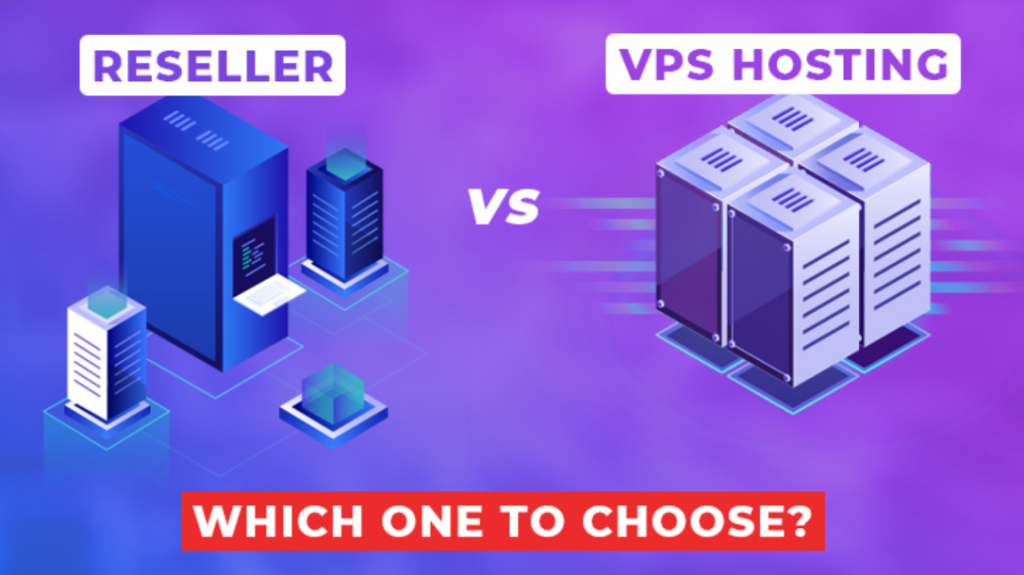
In conclusion, both VPS vs Reseller hosting are distinct services catering to different needs within the web hosting industry.
Ideal for individuals, businesses, or developers requiring a higher level of control, customization, and dedicated resources for their own projects. VPS offers isolation, scalability, and performance advantages over shared hosting.
Geared towards individuals or businesses looking to enter the web hosting industry without managing their own infrastructure. Reseller hosting allows for the resale of hosting services, enabling entrepreneurs to build their brand, diversify revenue streams, and focus on sales and marketing.
Ultimately, the choice between VPS vs Reseller hosting depends on specific requirements and objectives. VPS is suitable for those needing dedicated resources and control, while reseller hosting is suitable for entrepreneurs seeking a cost-effective entry into the hosting business. It’s essential to carefully evaluate technical expertise, budget, and business goals to make an informed decision based on individual needs.