
If you have ever wondered Does an SSL certificate protect your website from being hacked? If yes then this article is for you.
An SSL (Secure Socket Layer) certificate primarily serves to secure the communication between a user’s web browser and the server hosting a website. It encrypts the data transmitted between the user and the server, ensuring that sensitive information such as login credentials, personal details, and financial transactions remain confidential.
SSL certificate is a crucial component of web security, Let’s further discuss the importance of SSL certificates whether SSL protect your website or not in details through this article.
Table of Contents
What does an SSL certificate do?
An SSL certificate is a digital certificate that facilitates a secure and encrypted connection between a user’s web browser and a website’s server.
Basically, a SSL certificate encrypts data, ensures data integrity, authenticates the website, builds user trust, and may provide SEO benefits. It is a fundamental component of website security, particularly for websites that handle sensitive information and conduct transactions online.
If you want to know more about SSL in details check out our other blog on What Is SSL? Understanding Secure Sockets Layer and How It Works.
Can you hack an SSL certificate?

No, an SSL certificate itself cannot be “hacked” in the traditional sense. An SSL certificate is a digital certificate that facilitates the secure, encrypted communication between a user’s web browser and the server hosting a website. The certificate ensures that the data transmitted between the user and the server remains confidential and cannot be easily intercepted or tampered with by malicious actors.
However, it’s important to note that SSL certificates, like any other digital entity, can be compromised under certain circumstances:
- Private Key Compromise: The security of an SSL certificate relies on its associated private key. If the private key is compromised, an attacker could potentially decrypt the encrypted communication. Therefore, it is crucial to protect the private key from unauthorized access.
- Certificate Authority (CA) Compromise: SSL certificates are issued by Certificate Authorities. If a CA’s infrastructure is compromised, it could lead to the issuance of fraudulent certificates. This could allow attackers to impersonate a legitimate website, conducting man-in-the-middle attacks.
To enhance the security of SSL certificates, it is essential to:
- Protect the Private Key: Store the private key in a secure environment and use best practices to safeguard it against unauthorized access.
- Choose Reputable Certificate Authorities: Obtain SSL certificates from well-known and trusted Certificate Authorities to minimize the risk of fraudulent certificates.
- Regularly Update and Monitor: Keep certificates up to date and monitor for any unusual activity or potential security incidents.
While SSL certificates are a critical component of web security, the overall security of a website depends on a combination of factors, including secure coding practices, regular updates, and a comprehensive security strategy to protect against various threats.
So, to answer the question, “is it possible to hack an SSL certificate?” the answer is yes, but it’s highly unlikely.
How safe is an SSL certificate?

An SSL (Secure Socket Layer) certificate is a fundamental component of web security, providing encryption for the communication between a user’s web browser and the server hosting a website. When properly implemented and maintained, SSL certificates contribute significantly to the security of online transactions and the protection of sensitive information.
However, the level of safety associated with an SSL certificate depends on several factors:
- Encryption Strength: The strength of the encryption algorithm used in the SSL certificate plays a crucial role. Certificates typically use strong encryption algorithms such as RSA or ECC. The key length, measured in bits, also influences the strength of the encryption. Longer key lengths generally provide stronger security.
- Certificate Authority (CA) Trustworthiness: SSL certificates are issued by Certificate Authorities, and trust in the certificate relies on the reputation and security practices of the CA. Reputable and well-established CAs follow stringent security measures to prevent the issuance of fraudulent certificates.
- Private Key Protection: The security of the SSL certificate depends on the protection of its associated private key. If the private key is compromised, the security of the encrypted communication is at risk. Properly storing and securing the private key is crucial for overall SSL security.
- Regular Renewal and Updates: SSL certificates have expiration dates, and it’s essential to renew them before they expire. Regular updates and renewals ensure that the certificate’s cryptographic algorithms and security features remain current and effective.
- Implementation Best Practices: Proper implementation of SSL/TLS protocols on the server is essential. This includes using the latest and most secure protocol versions, configuring cipher suites securely, and disabling deprecated or vulnerable features.
- Website Security as a Whole: While an SSL certificate secures data in transit, overall website security requires a holistic approach. Secure coding practices, regular security audits, and addressing vulnerabilities in server configuration and applications contribute to a more robust security posture.
The myth: SSL certificate fully protect your website from getting hacked?
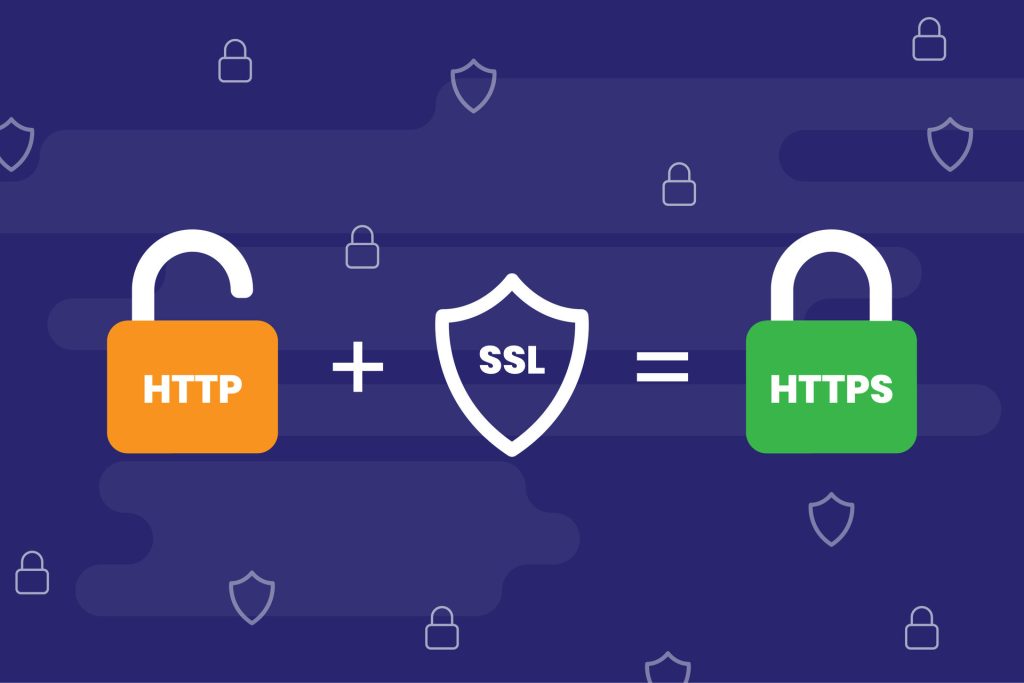
The myth that an SSL (Secure Sockets Layer) certificate fully protect your website from getting hacked is not accurate. While an SSL certificate plays a crucial role in securing the transmission of data between the user’s browser and the web server, it primarily focuses on encrypting the communication to prevent eavesdropping and man-in-the-middle attacks.
Here are some points to consider:
- Data Transmission Security: SSL certificates ensure that the data transferred between the user’s browser and the web server is encrypted. This helps protect sensitive information, such as login credentials, credit card details, and personal information during transmission.
- Authentication: SSL certificates also provide a level of authentication by verifying the identity of the website’s owner. This helps users trust that they are connecting to the legitimate website and not a malicious one.
However, an SSL certificate alone does not guarantee the overall security of a website. Here are some aspects that an SSL certificate does not cover:
- Server Vulnerabilities: Websites can still be vulnerable to hacking if there are unpatched security vulnerabilities on the server or within the web application itself. Regular security updates and patches are essential to address these vulnerabilities.
- Injection Attacks: SSL does not protect against common web application vulnerabilities such as SQL injection or Cross-Site Scripting (XSS). These vulnerabilities can be exploited to manipulate or steal data from the website.
- Weak Passwords: If the website relies on weak or easily guessable passwords, it remains susceptible to unauthorized access.
- Outdated Software: Using outdated content management systems (CMS), plugins, or other software can expose a website to security risks. Regularly updating and patching software is crucial for maintaining security.
- Phishing Attacks: SSL does not prevent phishing attacks where users are tricked into providing sensitive information through fraudulent means.
While an SSL certificate is an essential component for securing the transmission of data between a user and a website, it is just one aspect of overall website security. A comprehensive security strategy involves addressing vulnerabilities, keeping software up to date, implementing secure coding practices, and regularly monitoring and auditing the website for potential threats.
Does having an SSL certificate protect your website from getting hacked?
Having an SSL certificate does not guarantee immunity from hacking or make a website completely secure. While SSL certificates play a crucial role in securing the communication between a user’s browser and the web server by encrypting data during transit, they only address a specific aspect of website security.

Here are some of the key points to be noted:
- Data Encryption: SSL certificates encrypt data during transmission, protecting it from interception by malicious actors. This is particularly important for securing sensitive information, such as login credentials and personal details. However, SSL does not secure data once it reaches the server or protect against other types of attacks.
- Authentication: SSL provides a level of authentication by verifying the identity of the website’s owner. This helps users trust that they are connecting to the legitimate website and not a fraudulent one. However, it does not prevent attacks on other vulnerabilities in the website or server.
- Server and Application Vulnerabilities: Websites can still be vulnerable to hacking if there are unpatched security vulnerabilities on the server or within the web application. Regularly updating and patching the server and software are essential for overall security.
- Web Application Vulnerabilities: SSL does not protect against common web application vulnerabilities, such as SQL injection or Cross-Site Scripting (XSS). These vulnerabilities can be exploited to manipulate or steal data from the website.
- Phishing Attacks: SSL does not prevent phishing attacks where users are tricked into providing sensitive information through fraudulent means. Cybercriminals may create fake websites with SSL certificates to appear legitimate.
- Social Engineering: SSL does not protect against social engineering attacks where users are manipulated into disclosing sensitive information willingly.
Conclusion
An SSL certificate is an essential component of web security, it alone does not offer complete protection against hacking threats. SSL certificates primarily secure the transmission of data between a user’s browser and the server, encrypting it to prevent interception and tampering during transit. However, they do not address vulnerabilities within the website’s code, server configuration, or other potential points of exploitation.
To ensure comprehensive website security, it’s crucial to adopt a multi-layered approach that includes:
- Regular software updates and patches to address vulnerabilities.
- Secure coding practices to prevent common web application vulnerabilities.
- Implementation of a Web Application Firewall (WAF) to monitor and filter traffic.
- Regular security audits and vulnerability scans to identify and address weaknesses.
- Safeguarding the SSL certificate’s private key to prevent compromise.
By combining these measures with the use of SSL certificates, website owners can significantly enhance the security posture of their online platforms, mitigating the risk of hacking and unauthorized access to sensitive information. Ultimately, a proactive and holistic approach to web security is essential to protect against evolving threats and ensure a safe online experience for users and administrators alike.